
 11
11
Protecting our planet: Environmental protection is essential for maintaining clean air, safe water, and healthy ecosystems. Small actions like reducing waste, conserving energy, and planting trees can make a big difference in slowing climate change and preserving nature for future generations.
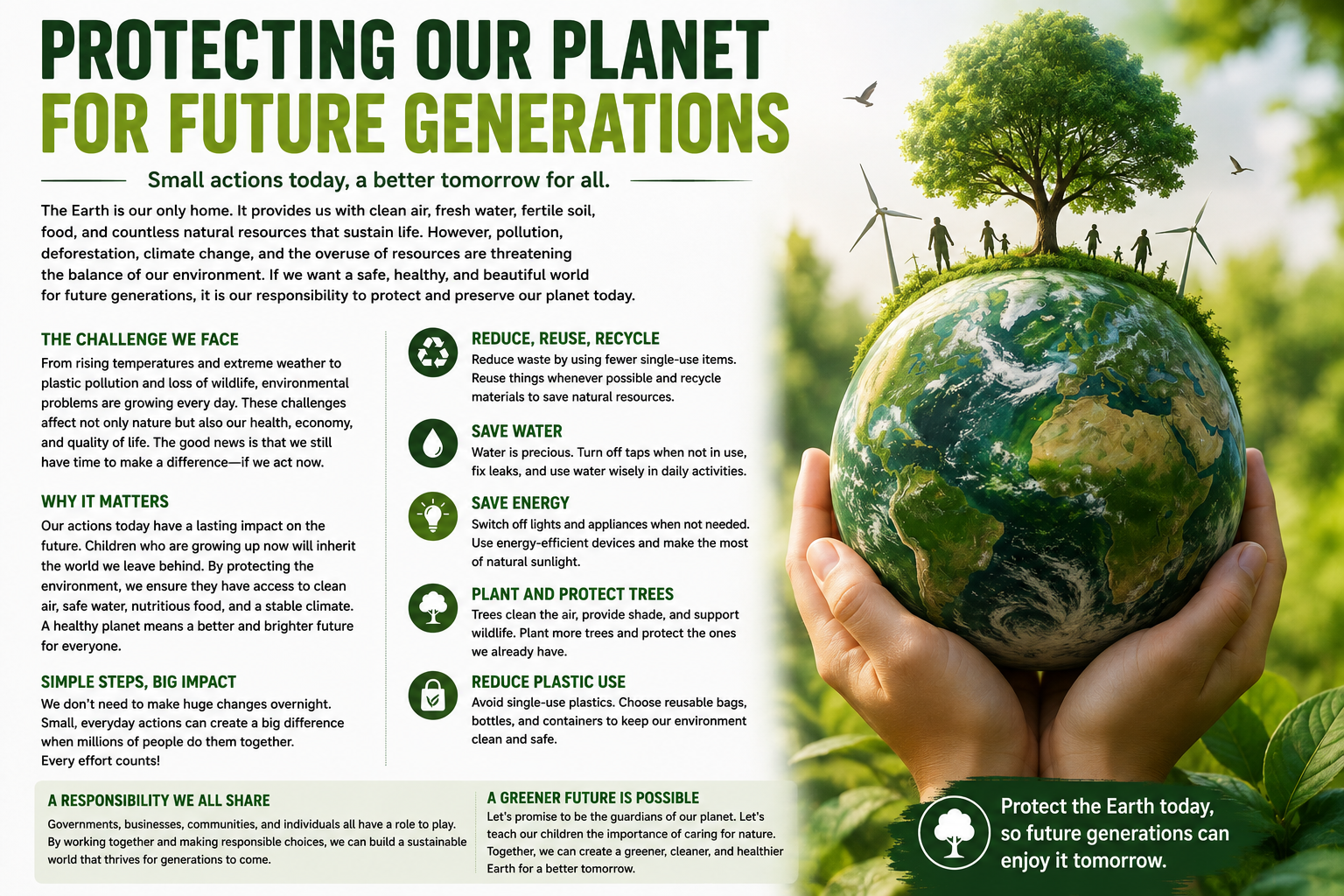
The Earth is our shared home and provides everything people need to survive and thrive, including clean air, fresh water, food, fertile soil, and natural resources. However, pollution, deforestation, waste, climate change, and the excessive use of natural resources are putting increasing pressure on our environment. Protecting our planet today is essential to ensure that future generations inherit a safe, healthy, and sustainable world.
Environmental problems can affect every part of our lives. Rising temperatures, changing weather patterns, air pollution, plastic waste, and the loss of forests and wildlife are among the challenges communities face. These issues can affect ecosystems, agriculture, water supplies, public health, and the natural resources that people depend on.”protecting our planet”
The good news is that positive change is possible. Individuals, communities, businesses, and governments can all contribute by making responsible environmental decisions.”protecting our planet”
One of the simplest ways to protect the planet is to reduce unnecessary waste. Buying only what we need, choosing reusable products, repairing damaged items, and recycling suitable materials can help conserve resources.
Reducing single-use products is particularly important. Reusable shopping bags, bottles, containers, and other everyday alternatives can help reduce the amount of waste entering landfills and natural environments.
Fresh water is a valuable resource, and wasting it can create unnecessary pressure on water supplies. Simple habits can make a difference. Turn off taps when water is not needed, repair leaks quickly, and use water carefully during household activities.
Communities can also support water conservation by protecting rivers, lakes, wetlands, and other natural water sources from pollution.
Energy conservation is another important part of environmental protection. Turning off lights and electronic devices when they are not needed can reduce unnecessary energy use. Energy-efficient appliances and responsible electricity consumption can also help households become more sustainable.
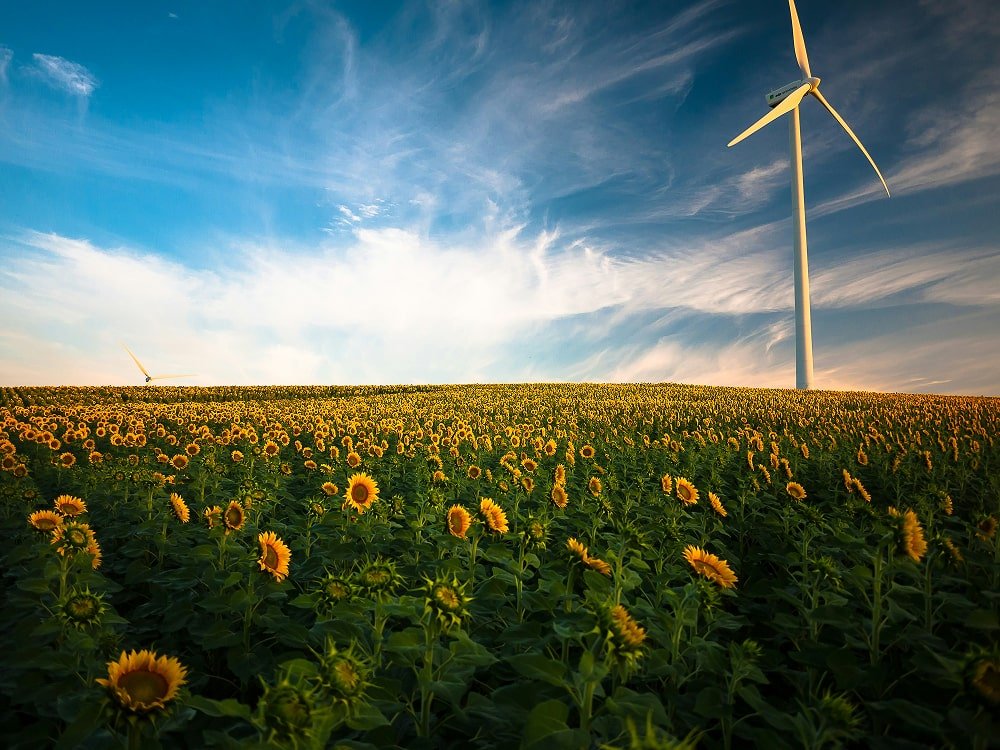
Where practical, renewable energy sources such as solar and wind power can provide cleaner alternatives to traditional energy sources.
Trees are essential to healthy ecosystems. They provide habitats for wildlife, support biodiversity, help improve air quality, and contribute to healthier communities. Planting trees is valuable, but protecting existing forests is equally important.
Communities can create greener spaces by planting native trees and plants while protecting natural habitats from unnecessary destruction.
Plastic waste is a major environmental concern because many plastic products remain in the environment for long periods. Choosing reusable alternatives, avoiding unnecessary packaging, and disposing of plastic responsibly can help reduce pollution.
People can also help by participating in local cleanup activities and encouraging businesses and communities to adopt more sustainable practices.
Protecting the environment does not require everyone to make huge changes overnight. Small actions become powerful when millions of people practice them consistently. Saving water, reducing waste, using energy responsibly, protecting trees, and choosing reusable products are practical steps that can become part of everyday life.
Environmental protection is a shared responsibility. Governments can create effective environmental policies, businesses can adopt sustainable practices, and communities can promote conservation. Individuals can support these efforts through responsible daily choices.
Teaching children about nature and environmental responsibility is also important. Young people who understand the value of natural resources can become responsible environmental stewards in the future.
A sustainable future is possible when people work together with a common goal. Protecting natural habitats, reducing pollution, conserving resources, and supporting responsible development can help create a healthier planet.
Protecting our planet for future generations begins with the choices we make today. Every effort, whether large or small, can contribute to a cleaner and healthier environment. By reducing waste, saving water and energy, protecting trees, limiting plastic use, and encouraging others to care for nature, we can help ensure that future generations have the opportunity to enjoy a safe, beautiful, and sustainable Earth.