

 11
11
healthy daily habits: Maintaining good health doesn’t always require big changes. Small habits like drinking enough water, eating balanced meals, staying active, and getting proper sleep can greatly improve your physical and mental well-being over time.
Living a healthier life does not always require major changes. Small, consistent daily habits can make a big difference to your physical and mental well-being.
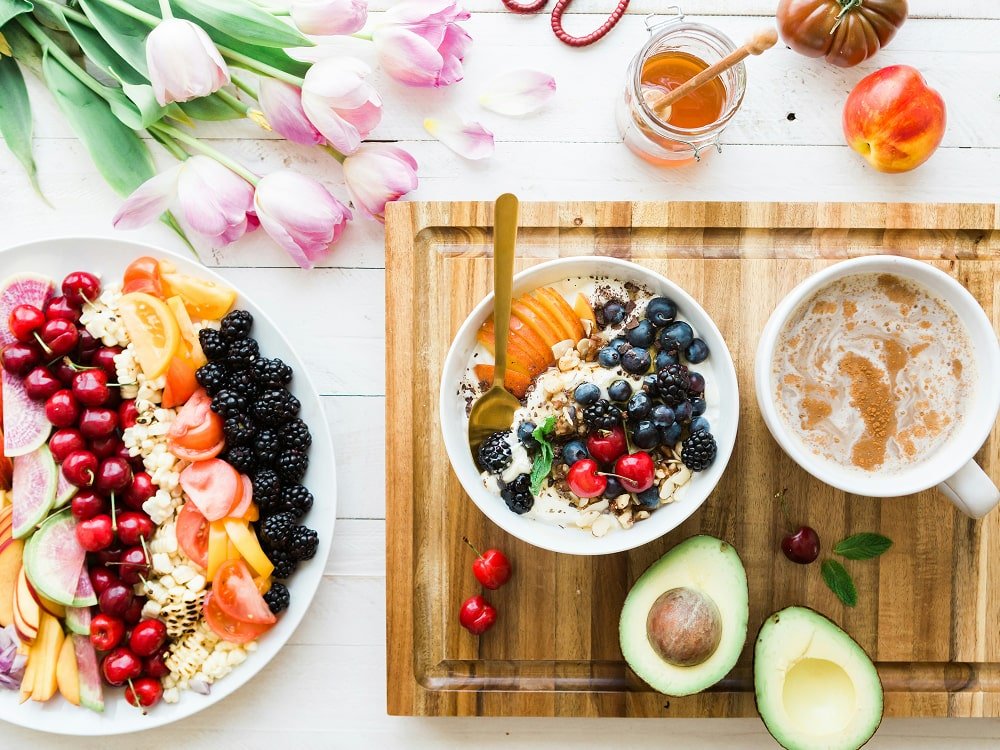
simple daily habits for a healthier life
Start Your Day with Water
Drink a glass of water after waking up. Staying hydrated helps your body function properly and supports energy levels throughout the day.
Eat a Balanced Breakfast
Choose nutritious foods such as fruits, whole grains, eggs, yogurt, or nuts. A healthy breakfast can help you stay energized and focused.
Stay Physically Active
Try to move your body every day. Walking, stretching, cycling, or simple home exercises can help improve fitness and support heart health.
Eat More Fruits and Vegetables
Include a variety of fruits and vegetables in your meals. They provide important vitamins, minerals, and fiber.
Limit Unhealthy Foods
Reduce excessive intake of sugary drinks, highly processed foods, and foods high in salt or unhealthy fats.
“healthy daily habits”
Get Enough Sleep
Good sleep is essential for physical recovery, concentration, and overall well-being. Maintain a regular sleep schedule whenever possible.”healthy daily habits”
Take Breaks from Screens
Spending long hours on phones and computers can cause eye strain and reduce physical activity. Take regular breaks and give your eyes and body some rest.”healthy daily habits”
Final Thoughts
A healthier lifestyle begins with simple choices made every day. Drinking enough water, eating nutritious foods, staying active, sleeping well, managing stress, and maintaining good hygiene can help support a healthier and more balanced life. Small improvements today can lead to meaningful benefits over time.
Building a healthy lifestyle is not about following complicated routines or making sudden changes. Instead, it is about developing simple habits that can easily become part of your everyday routine. When practiced consistently, these habits can support your physical health, mental well-being, and overall quality of life.
Choose Healthy Snacks
Healthy snacking can help maintain energy between meals. Instead of frequently choosing chips, sweets, or sugary drinks, consider fruits, nuts, yogurt, or other nutritious options. Planning snacks in advance can also help reduce unnecessary eating.
Conclusion
A healthier life can begin with small, practical changes. Drinking enough water, choosing nutritious foods, staying active, getting quality sleep, managing stress, maintaining hygiene, and building positive relationships are all valuable daily habits. The goal is not perfection but consistency. By making healthier choices one day at a time, you can gradually create a lifestyle that supports your long-term well-being.
Nobody follows a perfect healthy routine every day. Missing a workout or occasionally eating an unhealthy meal does not mean you have failed. The key is to return to healthy habits and continue moving forward.
Building a healthy lifestyle is not about following complicated routines or making sudden changes. Instead, it is about developing simple habits that can easily become part of your everyday routine. When practiced consistently, these habits can support your physical health, mental well-being, and overall quality of life.
Healthy snacking can help maintain energy between meals. Instead of frequently choosing chips, sweets, or sugary drinks, consider fruits, nuts, yogurt, or other nutritious options. Planning snacks in advance can also help reduce unnecessary eating.
Water is essential for many important functions in the body. Keep a water bottle nearby and drink regularly throughout the day. Your hydration needs can vary depending on activity, weather, and other factors, so listen to your body’s thirst signals.
You do not need to spend hours at the gym to stay active. Take short walks, use the stairs when practical, stretch during work breaks, or spend a few minutes doing simple exercises at home. Regular movement can help reduce the effects of sitting for long periods.
Pay attention to what and how much you eat. Eating slowly and avoiding distractions such as television or excessive phone use during meals can help you become more aware of your food choices and fullness.
Fresh air and outdoor activities can provide a refreshing break from daily responsibilities. A short walk in a park, gardening, or simply spending some quiet time outside can make your routine more enjoyable.
Spending quality time with family and friends can support emotional well-being. Talking with people you trust, sharing experiences, and participating in positive social activities can help create a stronger sense of connection.