
 11
11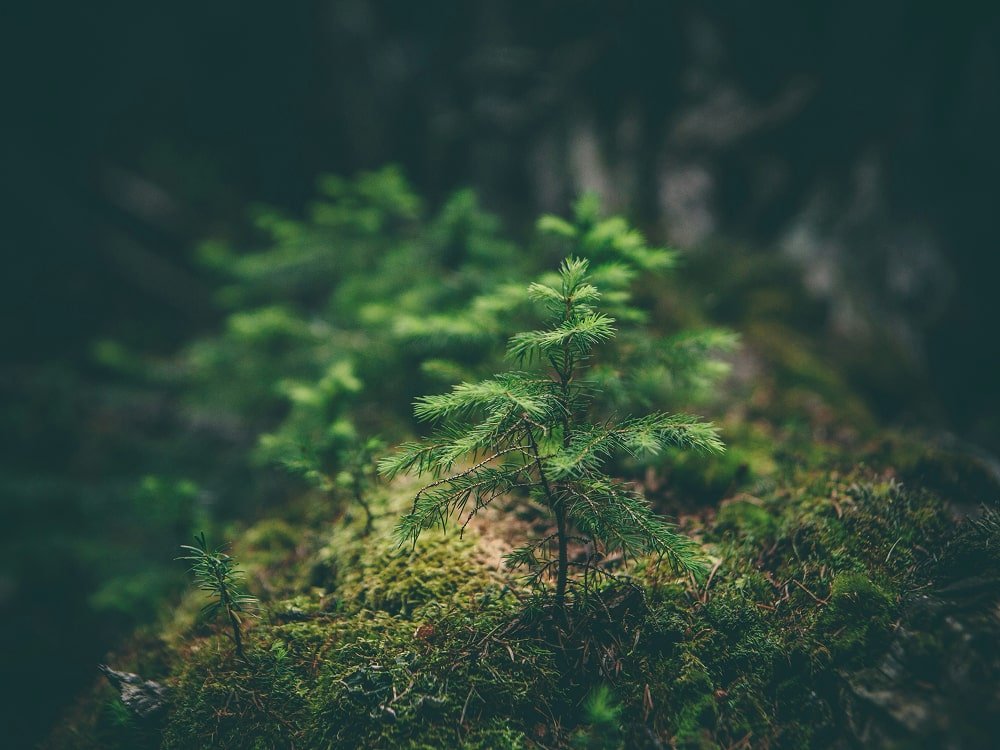
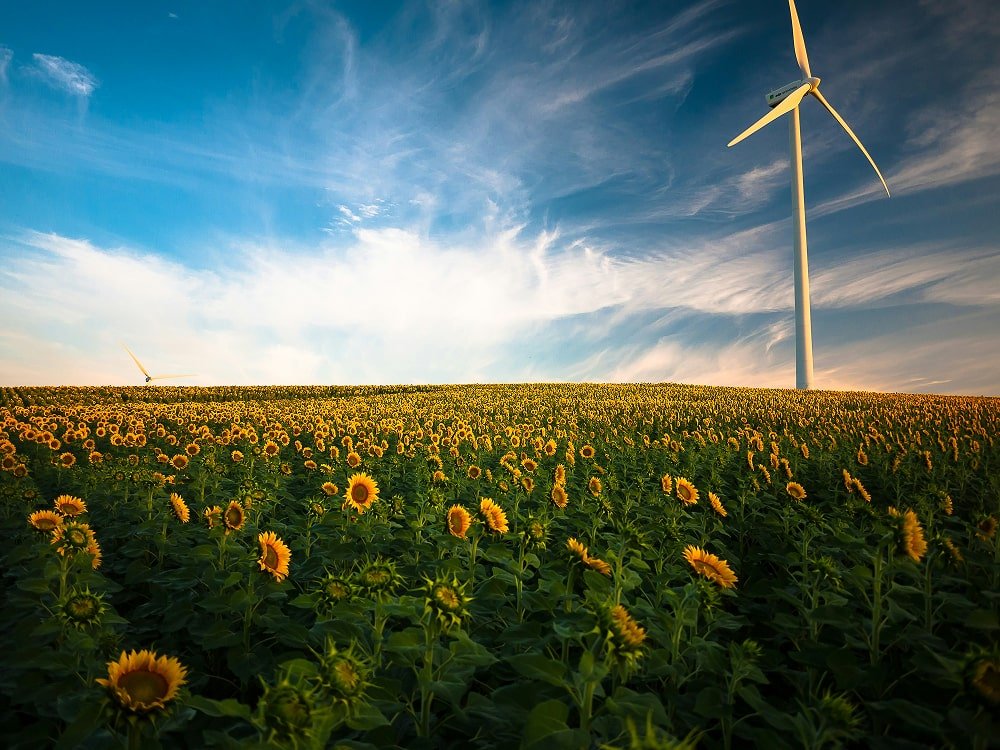
greener earth: Caring for the environment starts with everyday choices we make at home and in our communities. Using renewable energy, avoiding single-use plastics, and supporting eco-friendly practices help reduce pollution and protect natural resources for a sustainable future.
A healthier planet begins with the small choices we make every day. Environmental problems such as pollution, waste, deforestation, and climate change can seem too large for one person to solve. However, millions of people making simple and responsible choices can create a meaningful difference. Building a greener Earth does not always require major lifestyle changes. Small steps, when practiced consistently, can help protect natural resources and create a cleaner environment for future generations.
greener earth
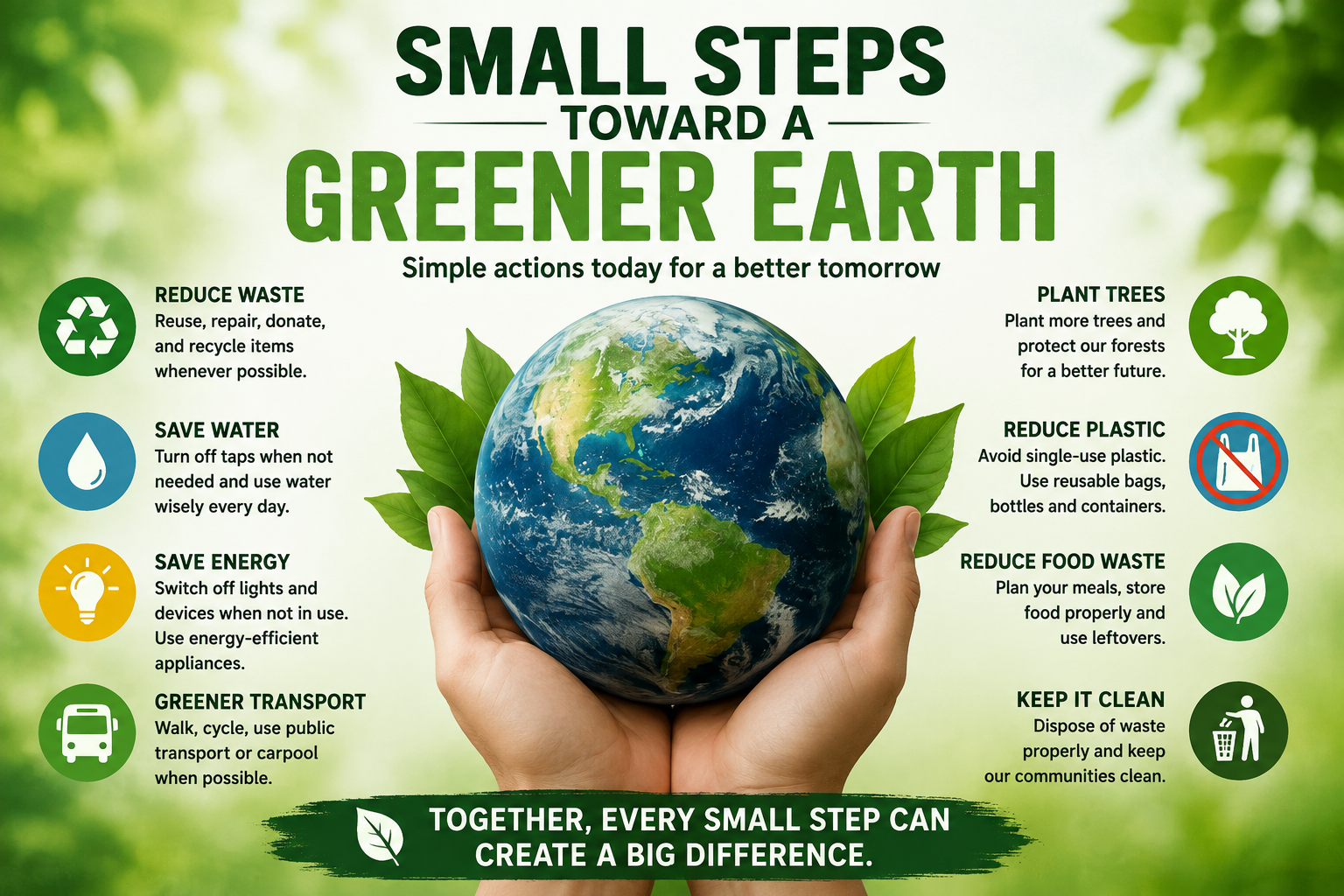
One of the easiest ways to help the environment is to reduce the amount of waste we produce. Avoid unnecessary packaging and choose reusable products whenever possible. Carrying a reusable shopping bag, water bottle, or food container can reduce dependence on disposable items. Before throwing something away, consider whether it can be reused, repaired, donated, or recycled.
Water is one of our most valuable natural resources. Simple actions such as turning off the tap while brushing your teeth, fixing leaking faucets, and using only the water you need can help reduce unnecessary consumption. At home, collecting rainwater for suitable outdoor uses can also be a practical way to conserve water.
Using energy responsibly can reduce waste and lower household energy consumption. Turn off lights, fans, televisions, and other electronic devices when they are not being used. Using energy-efficient appliances and making better use of natural daylight can also help. Small energy-saving habits become even more valuable when practiced by entire communities.
Transportation can contribute significantly to air pollution and greenhouse gas emissions. Whenever practical, consider walking, cycling, carpooling, or using public transportation instead of traveling alone by car. For short distances, walking or cycling can also provide an opportunity to stay physically active while reducing fuel consumption.
Trees play an important role in supporting healthy ecosystems. They provide habitats for wildlife, help improve air quality, and contribute to maintaining natural environments. Planting trees and protecting existing forests can support biodiversity and make communities greener. Even maintaining plants, gardens, and small green spaces can provide benefits for local environments.
Plastic pollution is a growing environmental concern. Single-use plastic bags, bottles, cups, and packaging can create unnecessary waste. Choosing reusable alternatives and avoiding disposable plastic items when possible can help reduce the amount of plastic entering landfills, rivers, and other natural areas.
Recycling can help recover useful materials and reduce the amount of waste sent to landfills. Separate recyclable materials according to the recycling facilities available in your area. Paper, cardboard, glass, and certain plastics may be recyclable, but local recycling rules can vary. Learning and following those rules can make recycling more effective.
Food choices can also influence the environment. Reducing food waste is a simple place to start. Plan meals carefully, store food properly, and use leftovers when possible. Including more plant-based foods in your diet can also be an environmentally conscious choice for many people.
Environmental responsibility is not limited to our homes. Keeping streets, parks, schools, and public spaces clean can improve the local environment. Joining community cleanups or encouraging others to dispose of waste properly can inspire wider environmental awareness.
One person can influence many others through positive example. Talk to family members, friends, classmates, and coworkers about simple environmental practices. Children can especially benefit from learning about recycling, saving water, protecting wildlife, and caring for nature from an early age.
Creating a greener Earth starts with everyday decisions. Reducing waste, saving water and energy, using sustainable transportation, protecting trees, limiting plastic, recycling responsibly, and keeping communities clean are practical steps almost anyone can consider. No single action will solve every environmental challenge, but collective action can have a powerful impact. By making small changes today and encouraging others to do the same, we can contribute to a cleaner, healthier, and more sustainable planet for generations to come.