
 11
11
Importance of Biodiversity : Biodiversity refers to the variety of life on Earth, including plants, animals, fungi, microorganisms, and the ecosystems they form. It is one of the most valuable natural resources, supporting life by maintaining ecological balance, providing food and medicine, regulating climate, and sustaining economic development. The importance of biodiversity has become increasingly evident as human activities continue to threategn ecosystems through deforestation, pollution, climate change, and habitat destruction.
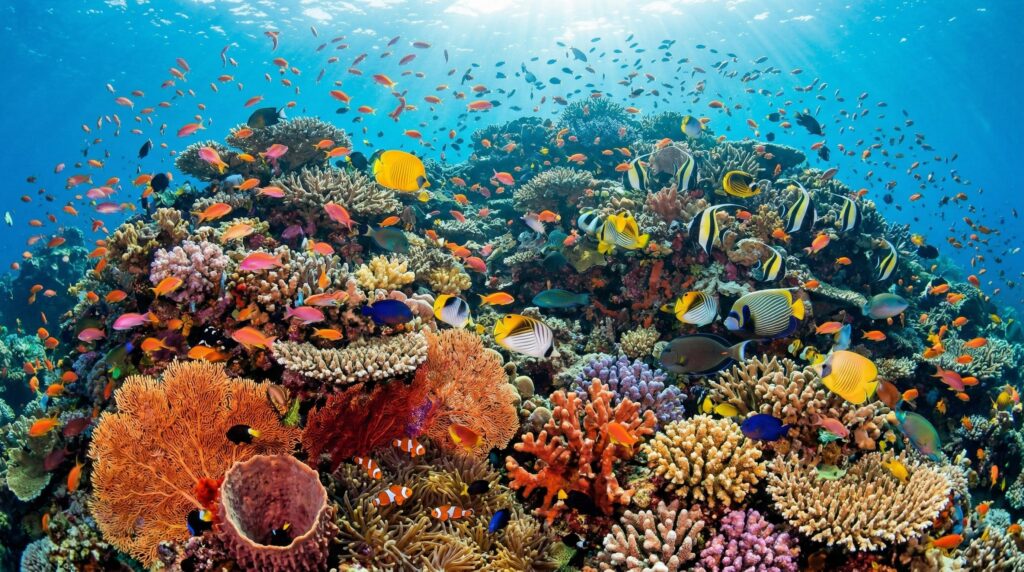
Biodicersity
What Is Biodiversity?
Biodiversity includes three main levels:
Together, these forms of biodiversity create resilient ecosystems capable of withstanding natural and human-made disturbances.
Biodiversity refers to the incredible variety of life found on Earth, including plants, animals, insects, microorganisms, forests, oceans, wetlands, and other ecosystems. Every species has a role in maintaining the natural balance of our planet. In 2026, biodiversity remains an important global priority as communities continue to face environmental challenges such as habitat loss, pollution, climate change, and the unsustainable use of natural resources.
Biodiversity supports many of the natural systems that humans depend on every day. Healthy forests help improve air quality, wetlands support water systems, and oceans provide food and resources for millions of people. Different species also interact with one another to maintain healthy ecosystems.
A diverse ecosystem is generally better able to respond to environmental changes. When many species are present, the loss of one species may not immediately destroy the entire system because other organisms can continue performing important ecological functions.
Biodiversity plays an important role in agriculture and food production. Bees, butterflies, birds, and other pollinators help many plants produce fruits and seeds. Healthy soil also depends on microorganisms and other organisms that break down organic matter and recycle nutrients.
Maintaining a variety of crops and plant species can also help strengthen food systems. Different species may have different levels of resistance to pests, diseases, drought, and changing environmental conditions.
Nature provides more than food and natural resources. Green spaces, forests, parks, rivers, and coastal environments can contribute to healthier and more enjoyable communities. Many medicines and useful materials have also been developed from plants and other natural organisms.
Protecting biodiversity therefore supports both environmental sustainability and human well-being.
Despite its importance, biodiversity faces several serious pressures. Deforestation, urban expansion, pollution, illegal wildlife trade, overfishing, and habitat destruction can reduce wildlife populations and damage ecosystems.
Climate change can create additional challenges by changing temperatures, rainfall patterns, ocean conditions, and habitats. Some species may struggle to adapt when environmental conditions change rapidly.
Biodiversity conservation requires action at different levels. Governments can establish protected areas, enforce environmental regulations, and support wildlife conservation programs. Communities can protect local habitats, reduce pollution, and participate in environmental projects.
Individuals can also make responsible choices. Planting native trees and flowers, reducing waste, limiting unnecessary plastic use, conserving water, and respecting wildlife are simple ways to support nature.
Businesses can contribute by adopting sustainable practices, reducing environmental pollution, and using natural resources responsibly.
Environmental education is another important part of biodiversity protection. When people understand how ecosystems work and why different species matter, they are more likely to make responsible decisions. Schools, communities, and media organizations can help raise awareness about wildlife, forests, oceans, and other natural environments.
Teaching younger generations about biodiversity can help create long-term environmental responsibility.
Protecting biodiversity in 2026 is not only about saving individual species. It is about maintaining healthy ecosystems that can continue supporting people and nature in the future. Conservation efforts, responsible development, scientific research, and community participation can work together to protect Earth’s natural wealth.
Biodiversity is one of Earth’s greatest natural assets. From supporting food production and clean water to maintaining healthy ecosystems and providing valuable natural resources, biodiversity affects almost every part of life. By protecting habitats, reducing pollution, using resources responsibly, and supporting conservation efforts, we can help create a healthier and more sustainable planet for future generations.