

World’s Largest Aircraft Carriers represent the pinnacle of naval engineering and military power. These floating airbases allow nations to project force across oceans, support humanitarian missions, and maintain strategic influence worldwide.
Defense analysts often note that aircraft carriers are extremely expensive to build, operate, and protect. Pakistan’s maritime strategy has therefore emphasized capabilities such as submarines and surface combatants that align with its defense priorities.
“The world’s largest aircraft carriers are floating fortresses that project power across the oceans.”
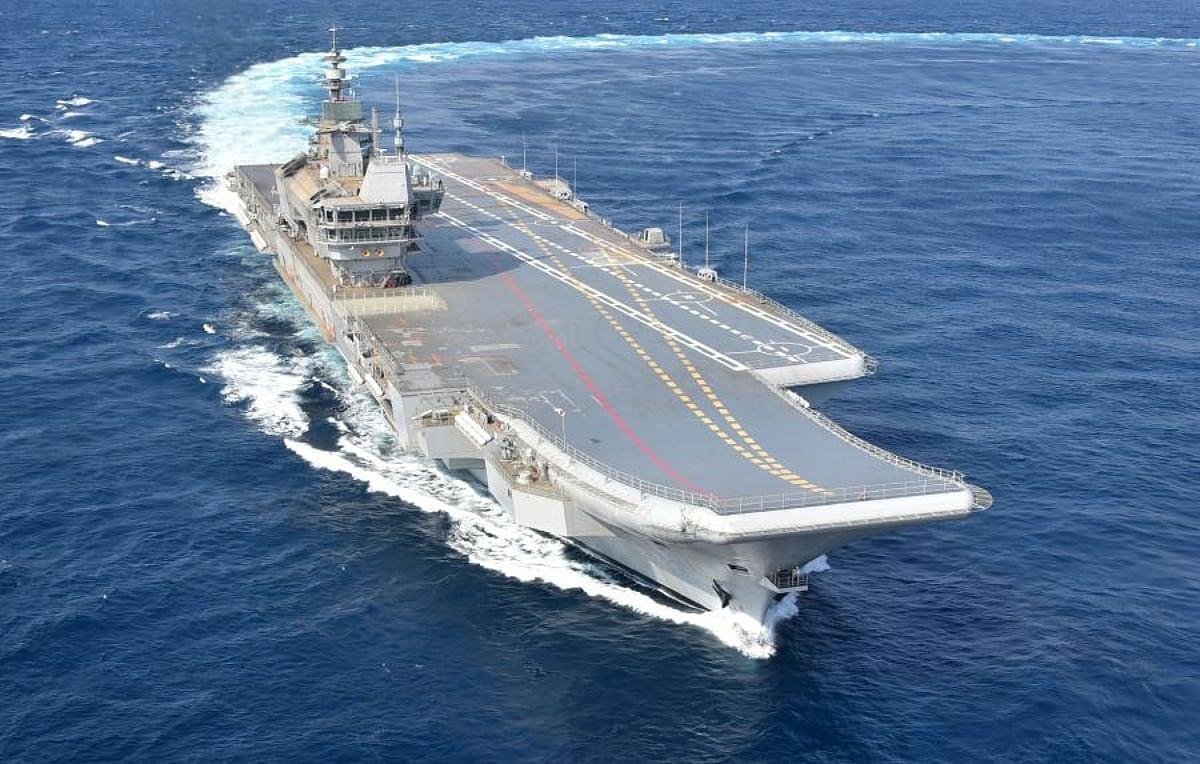
Largest Aircraft
Largest Aircraft
World’s Largest Aircraft Carriers
✍ Top Aircraft Carriers in the World
🇺🇸 United States – USS Gerald R. Ford
⚜ The USS Gerald R. Ford is currently the world’s most advanced aircraft carrier. It features electromagnetic aircraft launch systems (EMALS), advanced radar, improved automation, and the ability to operate more than 75 aircraft.
🇨🇳 China – Fujian
⚜ China’s newest aircraft carrier, Fujian, represents a major leap in the country’s naval modernization. It is equipped with electromagnetic catapult technology and is expected to significantly enhance China’s blue-water naval capabilities.
🇬🇧 United Kingdom – HMS Queen Elizabeth
⚜ The Royal Navy’s flagship operates F-35B stealth fighters and plays an important role in NATO operations and international maritime security
🇵🇰 Pakistan’s Naval Strategy
⚜ Unlike the countries listed above, Pakistan does not currently operate an aircraft carrier. Instead, the Pakistan Navy prioritizes submarines, frigates, maritime patrol aircraft, and coastal defense, reflecting its strategic focus on protecting its coastline and nearby sea lanes rather than projecting power over long distances. Publicly available fleet inventories also show no active aircraft carrier in Pakistan’s naval service.
✍Pakistan’s modern naval modernization includes:
⦾ Advanced guided-missile frigates
⦾ Agosta-class submarines
⦾ New Hangor-class submarine program
⦾ ong-range maritime surveillance
⦾ Naval aviation and anti-submarine warfare
⦾ Protection of Gwadar Port and the Arabian Se
These massive warships represent the highest level of naval engineering and military technology. They strengthen maritime security, enhance deterrence, and provide unmatched operational flexibility for modern navies.
China’s Growing Carrier Fleet
✴︎ China has rapidly expanded its naval aviation capabilities with the Liaoning, Shandong, and the advanced Fujian aircraft carrier. The Fujian is China’s first conventionally powered carrier equipped with electromagnetic catapults, bringing its capabilities closer to those of modern U.S. carriers. This marks a significant step in China’s ambition to operate a true blue-water navy.
United Kingdom’s Queen Elizabeth-Class
✴︎ The Royal Navy operates two modern aircraft carriers: HMS Queen Elizabeth and HMS Prince of Wales. Both ships primarily deploy F-35B Lightning II stealth fighters using a ski-jump launch system instead of traditional catapults. These carriers have greatly enhanced the United Kingdom’s ability to conduct expeditionary operations worldwide.
✦ China has rapidly expanded its naval capabilities with the Fujian aircraft carrier. Equipped with electromagnetic catapult technology, it significantly improves aircraft launch performance and demonstrates China’s growing ambitions to build a world-class blue-water navy.
✍ Why Aircraft Carriers Matter
Aircraft carriers provide unmatched operational flexibility. Unlike land-based airfields, they can be deployed almost anywhere in the world’s oceans, allowing military forces to maintain a continuous air presence without relying on foreign bases.
✍Key advantages include:
✽ Global power projection
✽ Rapid response to military crises
✽ Air superiority over maritime regions
✽ Humanitarian and disaster relief operations
✽ Intelligence, surveillance, and reconnaissance (ISR)
✽ Support for multinational naval exercises
As geopolitical competition increases across the Indo-Pacific, Middle East, and Arctic regions, aircraft carriers remain central to naval modernization strategies.
✍ HMS Queen Elizabeth (United Kingdom)
✽ The HMS Queen Elizabeth is the flagship of the Royal Navy and one of Europe’s largest aircraft carriers. Designed primarily for F-35B Lightning II stealth fighters, it features advanced command systems and excellent interoperability with NATO allies.
✽ The carrier supports expeditionary warfare, maritime security, and humanitarian missions worldwide
Good