

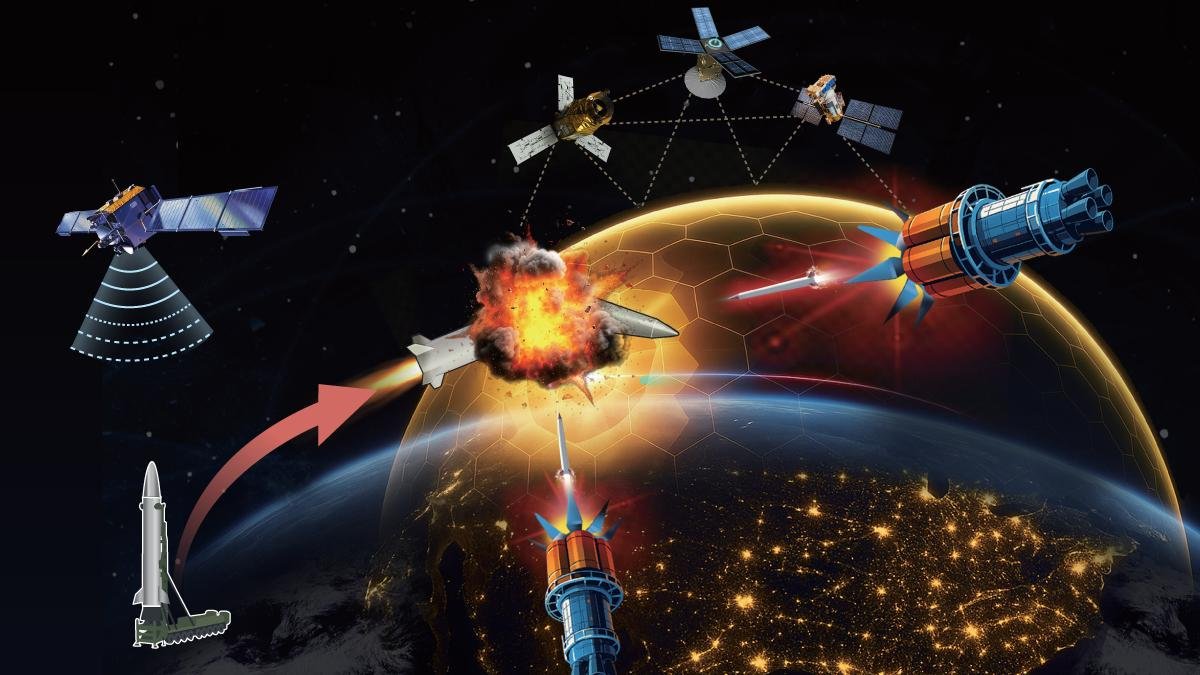
Future Space-Based Space is no longer just a domain for scientific exploration—it has become a critical arena for national security. Modern military forces rely on satellites for communication, navigation, intelligence, surveillance, reconnaissance (ISR), and early missile warning.
As technology advances, countries are investing heavily in space-based defense systems to improve situational awareness, strengthen national security, and protect critical infrastructure.
𝜗ৎ Space is rapidly becoming one of the most important domains for global security. As nations rely more on satellites for communication, navigation, intelligence, and missile warning, protecting space assets has become a strategic priority. Future space-based defense systems will integrate artificial intelligence, advanced surveillance satellites, secure communication networks, and early warning technologies to improve military readiness and national security.
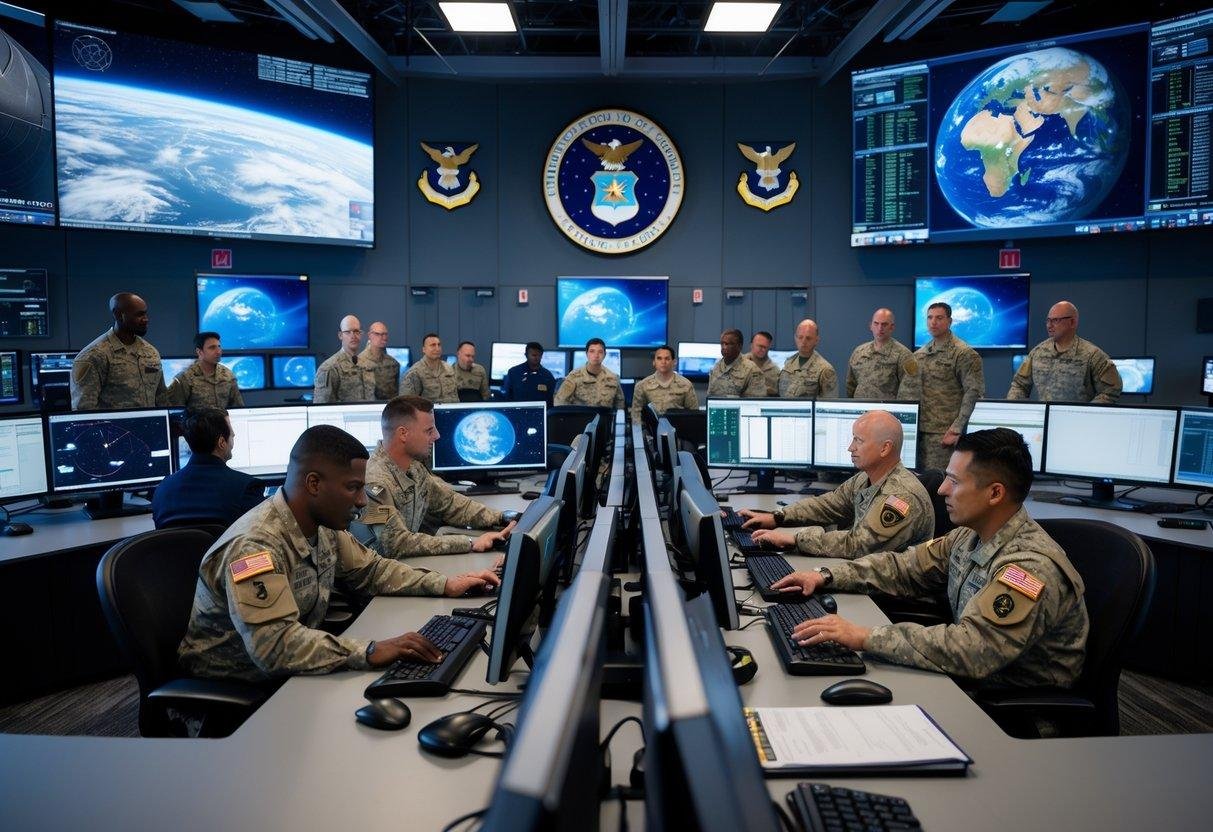
Defense Systems
Future Space-Based Defense Times
Future space-based defense systems are expected to play a central role in national security as countries expand military operations beyond Earth. Governments are investing in advanced satellites, space surveillance networks, missile warning systems, secure communications, and space domain awareness to protect strategic assets. Artificial intelligence, autonomous satellite operations, and next-generation sensors are transforming how armed forces monitor potential threats in orbit. As space becomes an increasingly contested domain, nations are developing resilient constellations capable of maintaining communications, navigation, and intelligence even during conflict. Future defense systems may also include rapid-launch satellites, enhanced electronic warfare capabilities, and improved protection against cyberattacks targeting space infrastructure. International cooperation, responsible space policies, and technological innovation will remain essential to ensuring stability while supporting global security in the rapidly evolving space environment.
✍Why Space Matters in Modern Defense
Military satellites play an essential role in today’s defense operations by providing:
✽ Secure military communications
✽ GPS and navigation support
✽ Missile launch detection
✽ Intelligence gathering
✽ Weather forecasting for military operations
✽ Real-time battlefield monitoring
✽ Maritime surveillance
Without satellite support, many modern military operations would be significantly more difficult to coordinate.
✍ Leading Countries in Space Defense
🇺🇸 United States
✦ The United States operates one of the world’s largest military satellite networks, supporting global communications, navigation, missile warning, and intelligence missions. Its space capabilities are a cornerstone of worldwide military operations.
🇨🇳 China
✦ China has rapidly expanded its satellite constellations, launch capabilities, and space surveillance systems. It continues to invest in technologies that enhance communications, Earth observation, and navigation.
🇷🇺 Russia
✦ Russia maintains military satellites that support strategic communications, navigation, reconnaissance, and national defense missions.
🇪🇺 Europe
✦ Several European countries collaborate on satellite programs that contribute to navigation, Earth observation, and security while supporting both civilian and defense needs.
✍Artificial Intelligence in Space Defense
Artificial Intelligence is transforming how military organizations use satellite data.
⚜ AI systems can:
✴ Detect missile launches more quickly
✴ Analyze satellite imagery
✴ Identify suspicious activities
✴ Improve cyber defense Support military decision-making
✴ Monitor maritime traffic
✴ Track natural disasters
By automating routine analysis, AI allows operators to focus on higher-level decisions while processing vast amounts of information.
🇵🇰 Pakistan’s Growing Role in Space
Although Pakistan does not operate military space assets on the same scale as major space powers, it is steadily developing its space capabilities through SUPARCO (Space & Upper Atmosphere Research Commission) and communication satellites such as the PAKSAT series.
✦ Pakistan’s space-related priorities include:
⦿ Satellite communications
⦿ Weather monitoring
⦿ Disaster management
⦿ Remote sensing
⦿ Agricultural monitoring
⦿ Navigation support
⦿ Scientific research
These technologies can support civilian needs while also contributing to national resilience and situational awareness.
✍ Future Technologies
The coming decades may see advances such as:
AI-powered defense satellites Autonomous satellite maintenance Quantum-secure military communications Hypersonic missile tracking Space-based early warning networks Advanced electronic warfare in space Small satellite constellations Enhanced space situational awareness
✍ Challenges
Space defense also presents important challenges:
✽ Increasing space
✽ debris Cybersecurity
✽ threats Satellite
✽ vulnerability High
✽ development costs
✽ International regulations
✽ Responsible use of space
Balancing security needs with international cooperation will remain a key issue for governments.
✦ Future Space-Based Defense Systems are transforming modern military strategy as nations increasingly depend on satellites for communication, navigation, intelligence, surveillance, and missile warning. Space has become a critical operational domain alongside land, sea, air, and cyberspace.
✦Artificial intelligence is expected to play a central role in Future Space-Based Defense Systems. AI-powered satellites can process large volumes of data, detect potential threats, automate decision-making, and improve real-time situational awareness for military commanders.
✦ Secure military satellite communications are also evolving rapidly. Future systems will feature anti-jamming technologies, stronger encryption, and resilient satellite constellations to ensure reliable communications during conflicts.
✦ Emerging technologies such as quantum communication, autonomous satellites, reusable launch vehicles, and space-based sensors will further strengthen Future Space-Based Defense Systems. These innovations are expected to improve defense capabilities while supporting faster and more coordinated military operations.
✦Advanced missile defense networks are another key component of Future Space-Based Defense Systems. Early warning satellites equipped with infrared sensors can detect ballistic and hypersonic missile launches within seconds, giving governments valuable time to respond.
✦ Pakistan is also expanding its presence in the space sector through satellite development, international partnerships, and investments in space technology. As regional security challenges evolve, strengthening national space capabilities will become increasingly important for intelligence, disaster management, and defense planning.
✦ The future of military operations will rely heavily on innovation in space. Future Space-Based Defense Systems will continue shaping global security by enhancing deterrence, improving strategic awareness, and protecting critical space infrastructure.